The history of the business card: From visiting card to modern networking tool
News News blog
Business cards are an integral part of today's business world. But do you know where the name comes from? The term “business card” reveals its original function: They used to serve as visiting cards and fulfilled a completely different purpose than they do today.
Origin and meaning of the visiting card
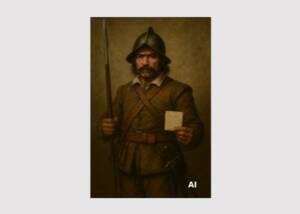
The term “business card” is derived from the French “visiter” (to visit). These small cards were an indispensable part of social etiquette in the 18th and 19th centuries. When visiting a distinguished house, the card was handed to the servant or receptionist, who passed it on to the master of the house.
This way, the person being visited knew immediately who was at the door. If no one was home, leaving the card meant that the visit was considered successful—an important social custom.
Social significance in courtly life
Especially for newcomers to a city, introductory visits to local dignitaries were mandatory. The visiting card made these social obligations considerably easier. Three to four times a year, people made courtesy visits to maintain important contacts.
At courtly celebrations, the master of ceremonies used the visiting cards to publicly announce the guests. The cards thus served as a kind of “admission ticket” to society.
Secret codes and meanings
The use of special codes was particularly interesting: discreet messages were conveyed by folding different corners:
• Upper left corner folded: “pour visiter” - to visit
• Lower left corner folded: “pour féliciter” – to congratulate
• Upper right corner folded: “pour prendre congé” – to say goodbye
• Lower right corner folded: “pour condoler” – to offer condolences
From social ritual to business tool
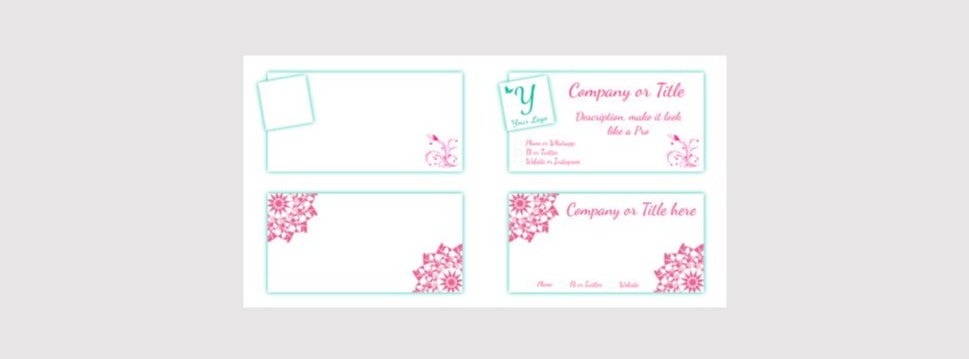
It was not until the 20th century that the function changed fundamentally. The social ritual became a practical business tool. Modern business cards contain names, addresses, telephone numbers, and company logos—information that was usually missing from the original visiting cards.
Today, we mainly exchange business cards at trade fairs, conferences, or business meetings. The discreet reference to one's position in the company has remained an important side effect.
The history of the business card impressively shows how social customs change and adapt to modern needs.