Libraries: Free access to knowledge for all generations
News News blog
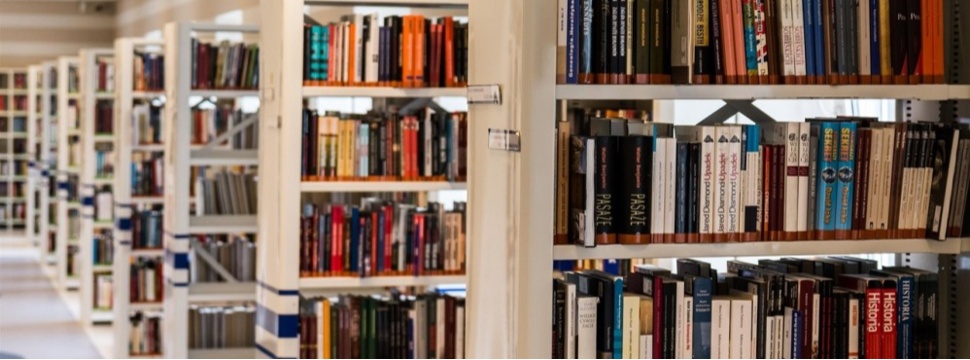
Libraries are much more than just places to borrow books. Over thousands of years, they have evolved into modern information centers that offer all segments of the population free access to knowledge and media.
The history of libraries
The first book collections were created in ancient times. Egyptian papyrus scrolls date back to 1866 BC. The famous Library of Alexandria was considered the largest collection of its time.
In the Middle Ages, monks preserved ancient writings in monastery libraries by making copies. With the invention of the printing press in 1440 and the paper machine in 1799, book production became more cost-effective.
The first public library in Germany was founded by Karl Benjamin Preusker in Großenhain in 1828. It was called the “Vaterländische Bürger-Bibliothek” (Patriotic Citizens' Library) and made books accessible to all citizens for the first time.
Free access for all
Almost all public libraries are freely accessible. Visiting and using them on site is free of charge. Only when you borrow a book for the first time are there small annual fees – usually between 5 and 50 euros.
Libraries are mainly financed by tax money. The federal government, states, and municipalities bear the costs. Churches, foundations, and associations also maintain libraries.
Diverse media offerings
Modern libraries no longer offer just books:
• Traditional media: books, magazines, newspapers
• Digital media: e-books, audiobooks, electronic magazines
• Audiovisual media: DVDs, music CDs, Blu-rays
• Games and software: board games, computer games
• Technical equipment: computers with internet access, printers, scanners
Many libraries are expanding their offerings to include makerspaces, gaming areas, and event rooms.
Target groups of all ages
Libraries deliberately appeal to all population groups:
- Children and young people can find picture books, learning aids, and age-appropriate media. Story times and holiday activities promote reading skills.
- Adults use specialist literature, guidebooks, and entertainment media. Working people appreciate the flexible opening hours and online services.
- Seniors find large-print books, audiobooks, and participate in events. Many libraries offer special computer courses for older people.
- Students and researchers work in reading rooms and use specialist databases. University libraries provide specialized literature.
Modern forms of use
Today, libraries serve as “third places”—between home and work. They offer spaces for encounters, learning, and cultural events.
Online catalogs enable media searches from home. Digital lending works around the clock. Interlibrary loan services procure media from other libraries.
Conclusion: Libraries as pillars of society
Libraries democratize access to knowledge. They create educational equality by offering high-quality media and services to everyone, regardless of income. As modern information centers, they are adapting to digital change and remain important cultural and social meeting places in our society.