Paper Silverfish: Unnoticed Threat to Books and Documents
News News blog
Paper silverfish (Ctenolepisma longicaudatum) are small but highly problematic insects that have developed into a serious threat to archives, libraries, and private collections. These inconspicuous pests belong to the Lepismatidae family and are often confused with the better-known silverfish.
What are Paper Silverfish?
Paper silverfish are gray-scaled, elongated insects with a body length of 11-15 mm. Their characteristic features include three long filiform tail appendages and long antennae, both of which can be longer than the body itself. Unlike common silverfish, they have three bristle combs on their back plates, which is an important distinguishing feature.
Why do they eat paper?
The special characteristic of these pests lies in their ability to digest cellulose. They produce their own cellulases, enzymes that can break down cellulose fibers into sugar. This trait makes them true specialists in utilizing paper and cardboard. Unlike many other insects, paper silverfish can actually use cellulose as a food source - so they don't just eat the paper, but also convert it into energy.
Where do Paper Silverfish come from?
The original homeland of paper silverfish is unknown. Although they were first described in South Africa, they are found there exclusively in human dwellings. Today, they are distributed worldwide, with the exception of Antarctica. In Europe, they have been increasingly spreading since the 1990s, with first records in the Netherlands (1989), Belgium (1998), Sweden (2002), and Germany (2007).
Which types of paper do they infest?
Paper silverfish are not picky and infest almost all paper and cellulose-containing materials:
- Books and documents
- Archive materials
- Photographs
- Cardboard
- Wallpaper
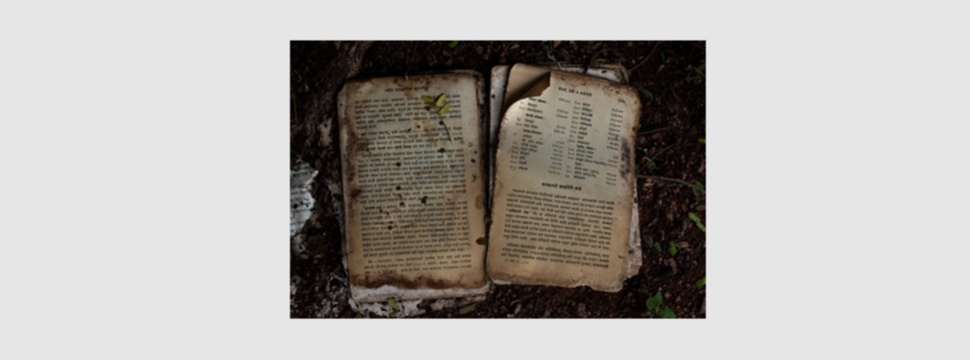
What makes them particularly dangerous: Unlike many other paper-eating insects, they thrive in dry climates (at about 50% relative humidity) and at temperatures between 20-24°C - exactly the conditions found in modern apartments, offices, and archives. In case of food shortage, they can survive for up to 300 days.
These nocturnal animals often go unnoticed for a long time until significant damage has occurred. Since they have hardly any natural enemies indoors, they can reproduce and spread undisturbed. For archives, libraries, and museums, they therefore pose a serious threat that requires professional pest management.