Fortune Cookies: The Surprising Truth About Their Origins and The Paper Strips
News News blog
Fortune cookies are a staple in Chinese restaurants across Germany. But surprisingly, these crispy treats with the little paper strips don’t actually come from China. The true story behind this popular dessert is far more fascinating.
The True Origins of Fortune Cookies
Contrary to popular belief, fortune cookies did not originate in China, but in the United States. Japanese immigrants developed them in California in the early 20th century. Makoto Hagiwara is considered one of the inventors. He began serving the cookies in 1914 at the Japanese Tea Garden in San Francisco.
Chinese restaurants later adopted the idea and made it their trademark. Ironically, fortune cookies are practically unknown in China itself. Tourists looking for the familiar cookies there are usually disappointed.
Food-safe paper strips
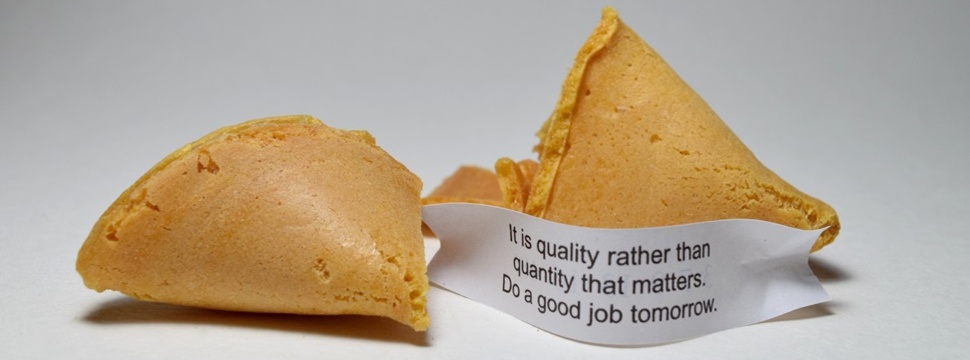
The paper strip inside the fortune cookie is made of food-safe material. Manufacturers use special paper that complies with strict food regulations. The paper is free of harmful chemicals and printing inks. Production takes place under hygienic conditions. The paper is placed inside the dough before it is baked, while the dough is still warm and malleable. The cookie then hardens, securely enclosing the slip of paper.
Where do the sayings come from?
The messages in fortune cookies are usually created by specialized companies. Professional copywriters develop the short messages, which range from philosophical wisdom to life advice and harmless predictions about the future.
Large manufacturers use a pool of about 10,000 to 15,000 different sayings. These are regularly updated and expanded. Some companies even employ their own writers who continuously compose new texts.
Limited Variety Despite a Large Selection
Although thousands of different sayings exist, many pieces of wisdom are repeated. Smaller restaurants often use only a few hundred different slips of paper. As a result, regular customers frequently encounter repetitions.
The sayings follow tried-and-true patterns: optimistic outlooks on the future, general life wisdom, and motivational messages. Manufacturers deliberately avoid negative or controversial content.
Modern developments
Today, there are personalized fortune cookies for special occasions. Weddings, birthdays, or corporate events use custom-designed messages. Online providers make it possible to order your own texts. The tradition of fortune cookies lives on even in the digital age. Apps and websites offer virtual fortune cookies, but the tactile experience of opening them remains irreplaceable.
Fortune cookies combine enjoyment with surprise—even if their true origins are different than commonly believed.