What is a palimpsest? History and significance of a special writing medium
News News blog
A palimpsest is a fascinating testament to historical writing culture—a manuscript whose original text has been scraped or washed off so that the valuable page or scroll can be rewritten. The term comes from the ancient Greek palimpsestos, which means “scraped again,” and entered our modern vocabulary via the Latin “palimpsestus.”
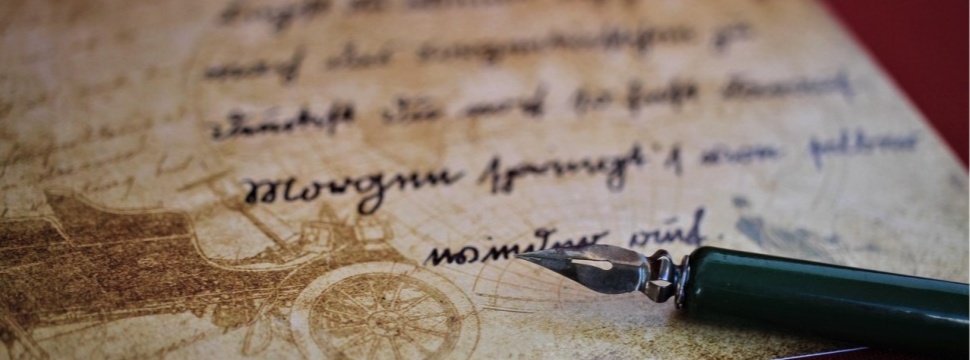
Why were palimpsests created?
The main reason for the creation of palimpsests was the scarcity and high price of writing materials. Especially in the Middle Ages, when parchment was the predominant writing material, written pages were often reused. From the 5th century onwards, papyrus was hardly available in the Western Roman Empire, and in the 7th century, the prices for writing materials reached such heights that palimpsesting became common practice.
This process often claimed ancient texts, which had to make way for Christian writings such as stories of saints or liturgical texts. Thus, valuable works of antiquity were literally overwritten.
Production of palimpsests
When producing a palimpsest, the original writing was removed by scraping or washing it off. Sometimes chemical ink removers such as citric acid were also used. However, as traces of the original text often remained, these can now be made visible again using modern technologies such as fluorescence or X-rays.
Important palimpsests
Among the most important palimpsests are:
• Codex Ephraemi Rescriptus: A 5th-century Greek Bible that was overwritten in the 12th century with sermons by Ephraem the Syrian.
• Cicero's De re publica: Long believed to be lost, this text was discovered among Augustine's commentaries on the Psalms.
• The Palimpsest of Archimedes: An important work in which Archimedes describes mathematical concepts similar to modern integral calculus. It was overwritten with a Byzantine Euchologion.
• Palimpsests of St. Catherine's Monastery: A unique collection of over 160 palimpsests in various scripts and languages, including parts of the first known map of the night sky.
Conclusion: Palimpsests – evidence of cultural transformation and historical thrift
Palimpsests are more than just reused writing materials – they are evidence of cultural transformation and historical thrift. Thanks to modern technologies, we can now discover the hidden treasures beneath the overwritten texts and gain valuable insights into the past. As a cultural metaphor, the palimpsest reminds us that history is often multi-layered and that deeper levels of meaning can always be hidden beneath the visible surface.