Passau Art: Soldiers’ Superstition
News News blog
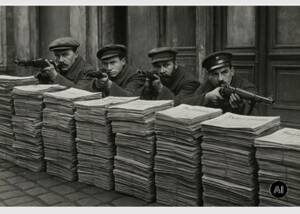
Passau Art was a widespread superstition among soldiers beginning in the 17th century. It promised protection from injuries caused by gunshots, blows, or stabs. This belief is essentially identical to the so-called “Festmachen,” an older tradition intended to make soldiers invulnerable.

What is “Festmachen”?
“Festmachen” means making oneself invulnerable through certain spells or rituals—in other words, becoming “blunt-force and stab-proof.” The Passau Art was a variation of this belief. It promised to protect soldiers in battle against any kind of physical attack.
How did the Passau Art originate?
The term “Passauer Art” probably goes back to the Passau executioner Kaspar Neidhart. Around 1611, Neidhart is said to have sold slips of paper bearing mysterious symbols to the imperial soldiers of Matthias, who were camped near Passau at the time. Neidhart, a charlatan, promised the soldiers that these slips would “make them invulnerable” to gunfire, blows, and stabs. To become invulnerable, soldiers had to either eat the slips of paper or carry them in a small pouch on their chest. The earliest records of this custom date back to 1615 and 1631.
Prevalence and Significance in War
The Passau Art became famous when Matthias’s troops suffered hardly any losses in the battles for Bohemia against his brother Rudolf II. This was attributed to the superstition. In the following years of the Thirty Years’ War, the Passau Art spread rapidly among the soldiers. It became an integral part of the military culture of the time.
Does this custom still exist today?
No, Passau art is no longer practiced today. It is a historical phenomenon firmly rooted in the 17th century and the Thirty Years’ War. Today, it serves as a reminder of the fears and hopes of the soldiers of that era.